
Health and Safety Policy — Flat Clearance Victoria
Welcome to the Health and Safety Policy for our flat clearance operations. This policy sets out the principles and proactive measures that underpin safe delivery of flat clearance, apartment clearance and related rubbish removal activities. It is intended to protect staff, contractors, residents and members of the public while enabling efficient rubbish collection and environmentally responsible disposal of waste. The policy applies to all personnel and contractors engaged in flat clearance services, whether working on-site, in transit or in handling materials at depot locations.Purpose and Scope
The main objective of this policy is to reduce risk and prevent injury through clear roles, risk assessment and control measures. It covers site assessment, manual handling, use of equipment, vehicle safety, hazardous materials handling and emergency procedures. The policy informs operational procedures for flat clearance, house clearances and general rubbish removal tasks and aligns with best practice for safety management across the service area. All employees, temporary staff and subcontractors must familiarise themselves with this policy. Key aims include:
- Preventing accidents and occupational ill health during clearance work.
- Maintaining safe working systems for rubbish collection and waste segregation.
- Ensuring adequate training and competence for all personnel.
- Promoting safe use of vehicles and mechanical aids during flat clearance Victoria projects.
Responsibilities
Management is responsible for providing a safe workplace, allocating resources for risk controls and ensuring compliance with this policy. Supervisors must assess each job, implement controls and verify that staff follow safe systems. Individual workers have a duty to cooperate, follow instructions, report hazards and use issued personal protective equipment (PPE) correctly. Contractors engaged for specific rubbish removal services must demonstrate competence and conform to the same standards.Training and Competence
Training is mandatory and includes: manual handling, safe lifting techniques, correct use of trolleys and sack barrows, basic hazardous substance awareness, and vehicle loading procedures. Refresher training will be provided periodically and when procedures change. Training records are maintained to ensure that personnel performing flat and apartment clearance tasks are suitably skilled. Risk assessment is carried out prior to each job. Assessments identify hazards such as sharp objects, biological waste, asbestos suspects, unstable furniture, trip hazards and confined access. Where hazardous materials are identified, work will stop until appropriate controls are in place. Controls follow the hierarchy of risk management: eliminate, substitute, engineer controls, apply administrative measures and provide suitable PPE.
Control Measures and PPE — Controls include segregation of waste streams for recycling and safe disposal, use of mechanical lifting aids for bulky items, and provision of gloves, eye protection, high-visibility clothing and sturdy footwear. For tasks where respiratory risk is present, appropriate masks or respirators are provided. Employees must inspect PPE before each use and report defective equipment immediately.
Manual Handling and Equipment Use — Manual handling protocols emphasise team lifts for heavy items, correct posture, and frequent breaks on long clearances. Mechanical aids such as hoists, harnesses and sack trucks should be used where practicable. Hand tools and power equipment are maintained and inspected, and only trained staff may operate electrically powered compactors or cutting tools used in clearance work.
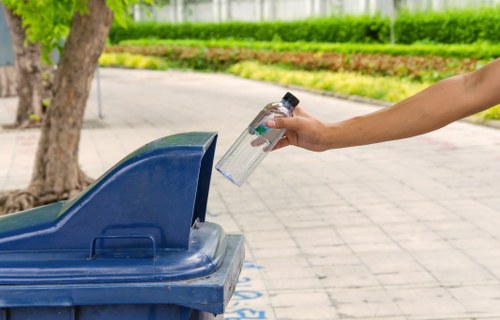 Waste Handling and Rubbish Collection Procedures: Waste is categorised on-site to minimise contamination and ensure lawful disposal. Sharps and hazardous containers are isolated and dealt with by qualified personnel. Bulky household waste is itemised before transport and loading limits for vehicles are observed. All vehicles used for rubbish removal and flat clearance services must be secured, covered and driven according to safe loading practices.

Emergency Response and Incident Reporting
Emergency procedures are in place for accidents, fire, chemical incidents and suspect asbestos discovery. First aid provision and trained first aiders are available at operational bases and appointed on larger jobs. Any incident, near miss or hazard must be reported immediately through the incident reporting system so that corrective actions can be implemented. Investigation outcomes will inform future training and procedural changes.Monitoring, Review and Continuous Improvement
The policy is actively monitored by management through workplace inspections, toolbox talks and audits of clearance operations. Performance indicators include incident rates, training completion, equipment checks and compliance with waste segregation standards. This policy is reviewed at least annually and whenever operational changes, significant incidents or regulatory updates occur. Feedback from crews and supervisors is encouraged to drive continuous improvement in rubbish removal and flat clearance practices.Implementation of this policy requires commitment from everyone involved in flat clearance activities. By following the standards set out here — from pre-job risk assessment to safe vehicle operation and responsible waste handling — we aim to deliver safe, reliable and sustainable flat clearance services across our service area. Management will sign off on updates and ensure that the policy remains relevant, practical and accessible to all staff.