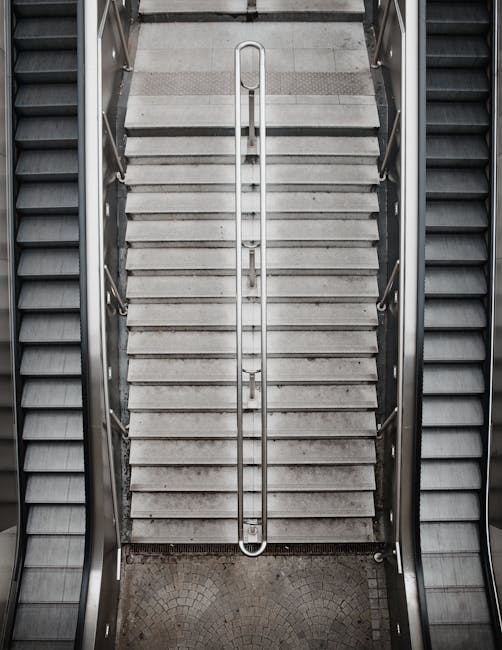
What to know when stair access blocks Victoria waste removal
If you live or work in a Victorian terrace, a converted flat, or a building with a narrow stairwell, you already know the problem: some items simply do not want to leave by the front door. That is the heart of What to know when stair access blocks Victoria waste removal. It is not just a nuisance. It affects safety, timing, pricing, disposal choices, and whether the job can be completed without damage to walls, bannisters, or the item itself.
In practice, blocked or awkward stair access changes everything from the first phone call to the final sweep-up. A sofa that looks manageable in a living room can become a near-impossible puzzle on a tight turn. A fridge may be fine on paper and then suddenly be too tall for the landing. So before you book, it helps to understand how access is assessed, what options exist, and how to avoid the classic "oh no, that won't fit" moment. Let's face it, nobody wants a clearance day that turns into a slow-motion furniture wrestling match.
In this guide, you'll find practical advice on planning, access checks, moving routes, common risks, and the smarter way to handle waste removal when stairs are the main obstacle. You'll also see where related services such as flat clearance, furniture disposal, and waste removal fit into the picture.
Table of Contents
- Why stair access matters
- How access-blocked waste removal works
- Key benefits and practical advantages
- Who needs this and when it makes sense
- Step-by-step guidance
- Expert tips for better results
- Common mistakes to avoid
- Tools, resources and recommendations
- Law, compliance, standards and best practice
- Options and comparison table
- Case study or real-world example
- Practical checklist
- Conclusion
- Frequently asked questions
Why stair access matters
Stair access is one of the biggest practical factors in any clearance job. If stairs are too narrow, too steep, turn too sharply, or are partly blocked by railings, bin bags, bikes, boxes, or ongoing building work, the collection team may need to change the plan. That can mean extra labour, a different removal method, or in some cases a complete rethink of how the item gets out.
This matters because access issues affect more than convenience. They influence whether a team can move safely, whether items can be protected from damage, and whether the route out can be completed without scraping plaster, scuffing paint, or cracking a bannister. If you have ever watched two people inch a wardrobe through a hallway in complete silence, you will know why. The room goes strangely quiet. Everyone starts measuring with their eyes.
For Victoria properties, access can be especially tricky in older conversions and compact flats. Shared stairwells, awkward corners, and tight communal entrances often make "standard" removal less standard than it sounds. That is why a proper access check is not a luxury; it is part of doing the job properly.
Expert summary: When stairs block waste removal, the real job is not only lifting and carrying. It is planning the route, protecting the property, and choosing the safest method for the item and the building.
How stair-blocked waste removal works
The process usually starts with a description of the item, then a check of the access route. A good clearance team will want to know the floor level, stair width, number of turns, whether there is lift access, and whether the item can be dismantled. Photos help a lot. A quick video taken on a phone can save a lot of guesswork. Honestly, it is one of the simplest things people can do, yet it solves so many headaches.
Once the team understands the layout, they can decide whether the item can be moved in one piece, broken down first, carried by two people, or removed in stages. For larger jobs, the route may need to be cleared in advance so that the team can move without obstruction. That might mean shifting shoes, hall furniture, planters, boxes, or anything else that eats into the width of the stairwell.
If access is still too tight, a specialist team may advise an alternative approach. That could include dismantling bulky items, removing multiple smaller loads instead of one large load, or choosing a different service altogether. For example, if the waste includes old furniture, a dedicated service such as mattress and sofa disposal or fridge and appliance removal may be more suitable than a general collection.
The key point is simple: blocked stair access does not automatically mean the job is impossible. It usually means the job needs more planning and the right method. That is a very different thing.
Key benefits and practical advantages
Planning around stair access gives you a few real advantages, and they are not just theoretical.
- Less risk of damage: Careful route planning helps protect walls, paintwork, carpets, handrails, and the items being removed.
- Safer lifting: Tight stairs and awkward turns increase the chance of slips or strain, so a proper plan reduces physical risk.
- Faster completion: A team that knows the access situation can arrive prepared, which keeps the job moving.
- Clearer pricing: When access is understood in advance, estimates are usually more accurate and less likely to change on the day.
- Better disposal choices: If some items need dismantling, separating, or sorting, you can choose the most efficient route for each type of waste.
There is also a quieter benefit: peace of mind. A lot of people feel embarrassed when access is awkward, as if they should have somehow planned their building better. You really do not need to. Tight stairs are common. What matters is being honest about them before the team arrives.
And if the clearance is part of a bigger project, the benefit compounds. Combining access planning with a broader service such as home clearance, house clearance, or office clearance can keep the whole job tidy and coordinated.
Who this is for and when it makes sense
This issue comes up for a surprisingly wide range of people. If your property has stairs, there is a good chance you will need to think about access at some point.
- Tenants clearing a flat before a move-out date
- Landlords dealing with left-behind furniture or mixed waste
- Homeowners in converted Victorian or Edwardian properties
- Small businesses in upstairs offices or shared buildings
- People clearing lofts, garages, or storage rooms with narrow access
- Anyone disposing of large furniture or appliances from upper floors
It also makes sense whenever the waste is bulky, heavy, or awkward. A bag of mixed rubbish is one thing. A three-seater sofa, old wardrobe, or broken washing machine is another altogether. If the item cannot be turned safely on the stairwell, the plan needs to change. No drama, just reality.
For some readers, this is really about one-off disposal. For others, it is part of an ongoing property clear-out. In that case, services like loft clearance, garage clearance, or builders waste clearance may also be worth considering if access and volume are both issues.
Step-by-step guidance
If stair access is likely to block the removal, the safest approach is to slow down early rather than rush later. Here is a practical way to handle it.
- Measure the obvious pinch points. Check stair width, landing space, doorway openings, and the tightest turn. A rough eye-balling is fine for a first pass, but exact measurements are better.
- Take clear photos. Capture the item, the stairwell, and the route out. Include any bannisters, radiators, low ceilings, or bends in the staircase.
- List the item details. Note size, weight if known, material, and whether it comes apart. A flat-pack desk is very different from a solid oak one.
- Clear the route in advance. Move smaller obstacles out of the stairwell and hallway. A forgotten plant pot can be a bigger problem than you expect.
- Check for dismantling options. Some items can be taken apart safely before removal. This often makes the difference between awkward and workable.
- Confirm the disposal method. Depending on the waste type, the team may sort, separate, or route items through a different service path.
- Prepare for the arrival window. Keep pets secure, doors accessible, and parking arrangements sensible if the building layout requires it.
Small thing, but useful: keep a tape measure near the front door on the day. You might think you will not need it, then suddenly everyone is crouched by the stair rail comparing centimetres like they are gold dust.
Expert tips for better results
Over time, a few habits make stair-restricted waste removal much easier.
Be honest about the access
People sometimes downplay the problem because they do not want to sound awkward. That usually backfires. If the stairwell is tight, say so. If there are two sharp turns and a low ceiling, say that too. The clearer the picture, the better the plan.
Separate bulky items from loose waste
Do not bundle everything together if some items are heavy and some are light. Keep furniture, appliances, bagged waste, and loose debris separate where possible. It makes loading safer and faster. It also helps the team decide whether a specialist service is needed, such as furniture clearance or furniture disposal.
Ask what can be dismantled
Some furniture looks immovable until it is broken into sensible parts. Bed frames, wardrobes, shelving, and desks often become much easier once partially dismantled. Just do not start unscrewing things blindly if you are not sure how they go back together. We have all been there. It is not always pretty.
Think about protection
Floor coverings, blankets, and edge protection can save a lot of minor damage on narrow stairwells. Even a careful move can brush against a wall when the route is tight. Protection is boring until the moment you need it.
Choose the right service for the waste type
When stair access is difficult, the type of waste matters even more. A mixed load of household items may suit flat clearance. Hazardous items need a more cautious approach, and anything risky should be checked separately through hazardous waste disposal. Keep the categories clean and the process gets cleaner too.
Common mistakes to avoid
Most access problems are predictable once you know what to look for.
- Not measuring the route: Guessing rarely works with narrow stairs.
- Forgetting the landing space: The item may fit the stairs and still fail at the corner.
- Leaving clutter in the way: Bags, bikes, prams, and boxes can turn a manageable job into a squeeze.
- Ignoring weight as well as size: A compact item can still be too heavy or awkward for safe carrying.
- Booking the wrong service: General waste removal is not always the best fit for bulky furniture or appliances.
- Waiting until the last minute: If the access issue is discovered on collection day, options shrink fast.
One common mistake deserves its own mention: assuming a team will simply "figure it out" on arrival. To be fair, professionals are good at solving problems. But even the best team cannot magically widen a stairwell. They can only work with the space they have.
Another one? Forgetting to ask about the company's approach to safety and property protection. A responsible provider should be happy to explain how they manage awkward access, and you can often learn a lot by checking their insurance and safety information before booking.
Tools, resources and recommendations
You do not need specialist kit to prepare for a stair-blocked clearance, but a few basic tools make life much easier.
- Tape measure: For stairs, doorways, and item dimensions.
- Phone camera: For photos and a short video of the route.
- Marker tape or sticky notes: Handy for marking tight points or parts to dismantle.
- Blankets or covers: Useful if you want to protect walls or soft furnishings during the move.
- Basic screwdriver set: Only if dismantling is straightforward and safe.
- Bin liners and boxes: Good for sorting smaller waste before the clearance day.
For planning support, the most helpful resources are often the ones already available on the same site. If you are trying to understand disposal choices, what can go in a skip is useful background. If you care about reuse and sorting, recycling and sustainability gives a better sense of what happens after collection. And if you want to compare costs or request a tailored estimate, pricing and quotes is the right place to start.
For readers booking online, the straightforward option is book online. Sometimes that is all it takes: a few details, a couple of photos, and a clear note about the stairs. Simple, which is nice for once.
Law, compliance, standards and best practice
When waste removal happens in a shared building or across common parts, the practical side and the compliance side meet in the middle. You do not need to become a legal expert, but it helps to respect a few sensible UK best practices.
First, waste should be handled responsibly and taken to appropriate facilities. Mixed loads should be sorted where needed, and anything hazardous must be dealt with cautiously. Second, safe lifting matters. Narrow stairs, low light, and busy communal hallways increase risk, so planning and team coordination are not optional extras. Third, if the property is rented or managed, it is wise to check any building rules about access, parking, and use of shared spaces.
It is also sensible to keep an eye on privacy and security where relevant. For example, if the clearance includes paperwork, devices, or storage boxes, separate confidential items before the main removal. A service such as confidential shredding may be useful for documents that should not just go in the general waste pile.
In many buildings, best practice is really about common sense: protect the route, do not block exits, communicate with neighbours where necessary, and avoid forcing an item through a space that is clearly too tight. That last part sounds obvious, but you would be surprised how often people try it anyway.
Options and comparison table
There is rarely just one way to handle a difficult stair access clearance. The right choice depends on the item, the building, and how urgent the job is.
| Option | Best for | Pros | Limitations |
|---|---|---|---|
| Carry item out intact | Smaller furniture, bags, light waste | Fast, simple, less handling | Not suitable for tight turns or heavy items |
| Dismantle before removal | Wardrobes, beds, desks, shelving | Often solves access problems | Takes time and may need tools or careful reassembly planning |
| Split into smaller loads | Mixed domestic waste, multi-room clearances | More flexible and safer on stairs | May take longer overall |
| Use a specialist disposal service | Sofas, mattresses, appliances | Better matched to item type | Not every item can be handled the same way |
If you are unsure which route is right, the best first question is simple: can the item be moved safely without forcing it? If the answer is no, choose the option that reduces pressure on the stairwell. No prize for brute force, thankfully.
Case study or real-world example
A typical example: a second-floor flat in a converted house, with one narrow staircase and a landing turn that looks fine until you stand on it with a wardrobe. The resident had planned a straightforward clearance of old bedroom furniture, but the wardrobe was too deep to swing around the corner. The hallway was already crowded with boxes and a bicycle, which made the usable width even smaller.
The first step was not lifting. It was clearing the route. Boxes moved into one room, the bike into another, and the resident sent a few phone photos of the stairwell before the appointment. That helped the team decide the wardrobe should be dismantled rather than carried intact. The rest of the furniture could be removed in smaller pieces, and the job stayed tidy because the access issue had been identified early.
Nothing dramatic happened. Which, in clearance work, is a win.
The resident later said the biggest relief was not the removal itself but the lack of damage. No chipped walls, no scratched bannister, no frustrated guessing at the top of the stairs. Just a calm, measured job that got done. That is what good planning tends to look like: not flashy, just effective.
Practical checklist
Use this before booking or on the day of collection.
- Measure the staircase width and the tightest turn
- Check if the item can be dismantled safely
- Clear hallways, landings, and doorways
- Take photos of the route and the item
- Separate bulky waste from loose rubbish
- Identify anything hazardous or sensitive
- Confirm parking and entry arrangements
- Protect walls, floors, and corners where needed
- Tell the team about lift access or lack of it
- Make sure pets and children are kept clear during removal
Ticking off those points sounds plain, but plain is good. Plain means fewer surprises.
Conclusion
When stair access blocks waste removal, the answer is usually not to push harder. It is to plan better. Measure the route, describe the item properly, clear the pathway, and choose the right disposal method. That approach saves time, protects the property, and keeps the job safe for everyone involved.
If you are dealing with a flat, conversion, or upper-floor space in Victoria, the smartest move is to treat access as part of the job rather than an afterthought. The more honest and specific you are at the start, the smoother everything tends to go. And yes, that includes the awkward sofa you have been avoiding looking at for three weeks.
Get a free quote today and see how much you can save.
Frequently Asked Questions
What happens if my sofa will not fit down the stairs?
If a sofa cannot safely pass through the stairwell, the team may dismantle it if possible, remove it in a different way, or advise an alternative disposal option. The key is not to force it.
Do I need to measure the stairs before booking?
It is strongly recommended. Even rough measurements help, but the tightest turn, landing, and doorway are the most important points to check.
Can waste removal still happen if the stairs are very narrow?
Sometimes yes, sometimes no. It depends on the item size, weight, and whether it can be dismantled. Very narrow stairs usually mean more planning, not necessarily cancellation.
Should I send photos before the collection?
Yes, if you can. Photos are often the quickest way to show access issues clearly and avoid misunderstandings on the day.
What if the item is too heavy to carry downstairs safely?
If the item is too heavy or awkward, the team may need extra hands, different equipment, or a different removal method. Safety comes first every time.
Is it better to dismantle furniture myself?
Only if it is straightforward and you are confident you can do it safely. If not, leave it for the removal team or a specialist service.
Will blocked stairs increase the cost?
They can, because awkward access often requires more time, more labour, or a different disposal method. A clear description of the route helps make pricing more accurate.
Can I leave items in the hallway for collection?
Only if it is safe, allowed, and does not block exits or shared access. In communal buildings, it is usually better to keep routes clear until the team arrives.
What type of clearance is best for a full flat with stairs?
A dedicated flat clearance or home clearance is usually more suitable than trying to treat each item as a separate small job.
What should I do with hazardous items?
Do not mix them with general waste. Keep them separate and ask for advice on the correct handling route, such as hazardous waste disposal.
Can you remove appliances from upper floors?
Often yes, but access and appliance size matter a lot. Fridges, washing machines, and similar items need proper planning and careful handling.
How far in advance should I mention stair access problems?
As early as possible. The sooner the issue is flagged, the easier it is to plan a safe and efficient removal.
If you want to learn more about the company and how it works, you can also read the about us page or check the insurance and safety information for extra reassurance.